Friday, 21 August 2015

4 Common Diseases Pigeons Carry

Pigeons are seen everywhere in the UK and many people assume that they are fairly harmless. Whilst they’re certainly not aggressive, they can certainly be a problem when grouping and nesting where they’re not wanted.

get_rid_of_pigeons

In addition to making a property look unsightly, they also carry diseases, which can very easily be spread through their droppings. Below are 4 of the most common diseases that pigeons are known to carry.

1. Viral Encephalitis

Also known as West Nile virus, Viral Encephalitis can be very dangerous when spread to humans and can cause nervous system damage and even death. The way it is transmitted to humans is through mosquito bites. The mosquito will bite an infected bird and then transmit the disease when it bites a person.

Luckily mosquitos are very rare in the UK so the chances of contracting the virus in this way are extremely low. However you should always be aware of this when travelling abroad to countries where mosquitos are commonplace.

2. E Coli

E Coli is often associated with undercooked meat but it’s just as likely that you’ll contract it by coming into contact with pigeon droppings. To help avoid this risk of getting E Coli, you should make sure that your wash your hands thoroughly whenever you’ve spent time in an environment where there was a lot of pigeons around.

3. Salmonella

Salmonella is another illness that’s commonly linked with food but can also be spread by pigeons. Along with Listeria, Salmonella is a very dangerous to people, especially pregnant women, so you should always ensure that you practice a high degree of cleanliness when you’ve been around pigeons in any setting.

4. Cryptococcal Meningitis

This form of pigeon-borne meningitis is extremely dangerous to people and can easily result in severe consequences such as blindness and death.

Getting rid of pigeons

Now that you’re aware of the types of diseases that pigeons can carry, you’ll almost certainly want to ensure that you don’t have any grouping or nesting on your property. Pigeon infestations are very common in the UK, especially in large cities, but luckily there are effective solutions available to get rid of them and make sure they don’t appear again.

It’s important to note that even if you think of pigeons as being vermin, it’s still not a good idea to kill or harm them in any way. This is because they’re a protected species in the UK, which means causing them harm could land you in a lot of trouble if you’re caught.

Thankfully, there are means of getting rid of pigeons without resorting to violence. Bird netting is one of the most common pigeon control solutions and works by making it impossible for any type of bird from being able to land and perch where it’s placed.

Bird netting can be installed by any good bird control company and will provide you with a long-lasting solution to keep your property completely free of pigeons or any other type of birds, such as seagulls.

About the Author:

Katie has a strong interest in bird control like Total bird control. Her articles cover subjects such as the most common diseases that pigeons carry.

Thursday, 9 July 2015

Getting Rid of Unwanted Birds

When birds start grouping and nesting on your property, it can be a very annoying problem to deal with. Typically, they’ll perch high up on the building so it’s no possible to shoo them away. Once a group of birds has decided to make a spot their home, they can be very stubborn and won’t go without a fight.

Why are birds a problem?

If you’ve never dealt with birds gathering on your property before then you might wonder what the big deal is. After all, it’s not like they’re dangerous and likely to attack people. Well, the first problem with birds is that they can very easily spread disease through their droppings. They can also cause a great deal of problems blocking up drainpipes and gutters with the sticks they use to build their nests. Because of these reasons, it’s better to deal with any unwanted birds very swiftly.

Can I deal with the problem myself?

Whilst some people try to deal with the situation in a forceful manner, this is never recommended. Because all wild species of bird are protected in the UK, you could easily find yourself in a lot of trouble if you were to kill or harm any of the birds perching on your building.

Due to this, it’s a much better idea to hire a professional pest control company like total bird control who can deal with the problem for you. Pest control companies have experience dealing with all types of pest problems, including birds, rodent infestations and insects. This experience means they will know how to get rid of any birds that are currently grouping on your building and prevent them from appearing again in the future.

Common bird control solutions

Below are some of the most common solutions that are used to get rid of unwanted birds.

#1. Bird netting  
 
 
Netting is a very common solution for dealing with unwanted birds. It can be used on almost any type of property and it will prevent birds from being able perch, group and nest where it’s placed. Netting is a very low maintenance solution and comes in a range of colours to match the décor of your building.
 
#2. Bird spikes  
 
 
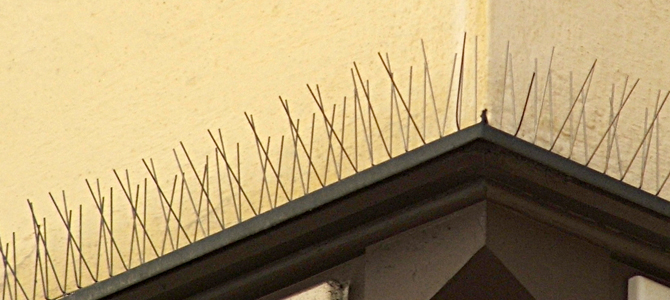
Spikes are another very effective means of getting rid of birds from your property. They can be placed in rows to provide maximum coverage, which makes them very useful for buildings that have curved edges, where birds might otherwise be able to perch.

#3. Wire & post
 
Wire & post is a good alternative to netting or spikes and can be placed anywhere that the posts can be drilled into the fabrication of the building. This is a very subtle and discreet solution so is excellent for use when you don’t want to disturb the look of your building.

When you hire a bird control company, they’ll use one or more of these solutions to make your property completely bird-proof. This will give you full peace of mind that the problem will not occur again in the future.

Wednesday, 10 June 2015

What Is The Best Solution For Dealing With A Bird Problem?

While it may seem like a simple question to answer, the fact is it is not as easy as you might think. When it comes to determining what the best possible solution is for dealing with a bird problem it is vital to take into account the precise nature of the problem at hand. As with most problems, the solution will vary depending on the individual circumstances.

To help try and answer the question we look at some of the most common bird related problems and outline what might be the best solution.
  • Bird droppings on paths and buildings
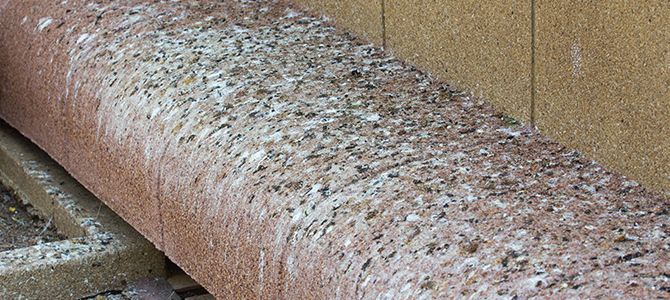
Where there are birds there are bird droppings. Asides from being unsightly this guano also contains various diseases that can cause serious health problems for humans. On top of this, the substance itself can be corrosive and therefore cause significant damage to buildings and monuments.

Reducing the chance of such droppings being deposited in public areas is therefore a high priority, and something that can be achieved when the right bird control option has been found.

One of the best methods of dealing with this issue is to install bird spikes or wires on ledge, window sills and even roof tops. These will make it difficult, if not entirely impossible for birds to perch and roost on the protected areas. In turn, this will reduce the opportunity for birds to leave any unwelcome deposits behind.
  • Unwanted residents
If you own or are responsible for commercial properties such as warehouses, factories or even sporting venues then you may find that birds are able to set up home under your very nose. It is often difficult to prevent access to such places as they are by their very nature likely to open for large periods of the day or night.

It may be difficult to entirely remove a flock that has taken up residence, but there are various methods that can significantly help to reduce the numbers. This can range from the use of poison (not everyone’s option of choice), traps or even using birds of prey.
  • Crop destruction
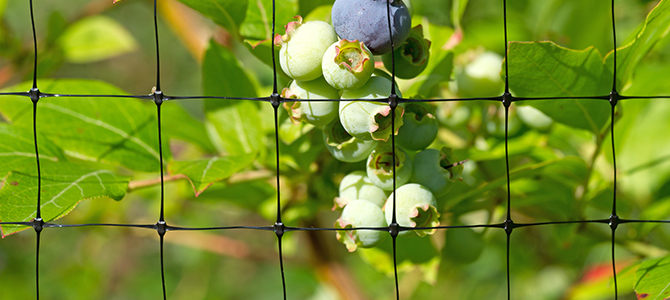
If you are a keen gardener, a fish lover or someone who regularly grows crops of any description they you are likely to be plagued by birds determined to feed on the results of your hard work. The best way to protect vulnerable items from such pests is often by using bird netting solution.

Easy to install and maintain these nets can be purchased with suitable gaps in them to prevent any bird species from getting through. The added bonus is that these offer the most minimally invasive aesthetic option making them ideal for both domestic and commercial venues.

Monday, 25 May 2015

Are Birds Causing you Bother?

While birds may be all well and good in public parks, or even in the woods and other areas you may like to visit the same cannot be true of your work place, or your home. If you suddenly find that birds have moved in and are causing you problems then you might be wondering what your best options are when it comes to bird control.

Finding the right solution to your bird problem will depend largely on the problem itself. This is because there are numerous options available, and some will be more effective for specific issues.
image credit
#1. Domestic problems

If you find that you have a problem with birds at home then it may be that netting is your best option. This is especially the case if you are looking to protect pond inhabitants, or even crops from our feathered friends. 
In such cases it is best to consider who the most likely culprits are that are causing damage. This is because you will need to ensure that gaps within the netting you choose are appropriate to stop such pests from being able to squeeze through and continue causing damage.

If you are finding that birds are causing problems with your chimney they it may be worth investigating having a chimney protector installed. This will stop birds, and other small animals from being able to get inside your chimney stack, and therefore falling down the chimney itself.

However, if you find that birds have managed to get inside your roof or loft space and have set up a nest it is always best to contact the local council or bird removal experts who can provide the best advice in dealing with your unwelcome guests. Once the problem has been suitably dealt with they can also provide advice on ways to ensure that the problem doesn’t present itself again.

#2. Commercial problems

Of course, it’s not just domestic properties that can experience problems with birds. Many public buildings can be destroyed as a result of bird droppings, usually left by pigeons or starlings. The best ways to resolve such problems is to reduce the opportunity for such birds to roost or perch on the side of buildings.

Bird spikes from total bird control offer the best solution to this as it makes it impossible for birds to land on ledges or window sills and roof tops. However, it is again worth considering the species of bird causing problems as if the spikes used are too large, smaller birds will still be able to perch and will continue to cause problems.

If you do not lie the idea of using spikes, then bird wire can be just as effective and is often regarded as being less obvious and therefore more aesthetically pleasing.

Monday, 11 May 2015

What is the Best Form of Bird Control?

Establishing what the best type of bird control could be for you can take some time. The simple fact of the matter is it’s not the sort of question that has a straight forward answer.  This is because there are many things that need to be taken into consideration when trying to determine the right course of action.
 
 
What is the problem?

In order to give you specific advice on the best solution an expert is going to need to know precisely what the problem is.  For example, what type of bird is causing problems and in what location?

It might be that you have a commercial building that is plagued by pigeons. If that is the case then the solution is likely to vary widely from someone who is trying to protect their grass seeds from neighborhood sparrows.

In the first problem it might be suggested that you hire a professional like total bird control who can use a hawk to deter the pigeons. In the second problem bird netting is far more likely to provide you with the solution that you need.

What are you hoping to achieve?

The next important thing to take into consideration is precisely what is it that you are hoping to achieve with your bird control measures?

Taking the example of the commercial property – is it a large warehouse that birds are getting in to and nesting in?  If so, do you want to control the population and ultimately remove it?  In such a case the hawk may not be the best answer as this will not deal with large volumes in one go.  Poison or trapping may work more effectively for you.

However, if you have an office building that is being ruined by pigeon droppings, then it is likely that you are not going to want to invest in such extreme measures. Simple bird spikes or even wires will work well enough to stop the birds from perching on window ledges and roof edges.

Speak to an expert

Knowing what is the best thing to do can be daunting and seem very confusing at times, especially if you do not have any experience in this area. This is why it is always best to do your research or speak to someone who can help you navigate your way through the various options.

They can then advise on the most effective option for your given situation, as well as what needs to be taken into consideration for different bird species. What works for one type of bird and environment may not necessarily work for another and it is important to take this into consideration before forking out on potentially expensive treatment options. Experts will be able to advise you properly.

Tuesday, 28 April 2015

Bird control doesn’t have to mean extermination

When you think of London you may immediately think of Big Ben, the London Eye or perhaps the River Thames. No matter what monuments your conjure up you are also likely to think of one of London’s most common resident – the humble pigeon.

Bordering on being completely tame these feathered pests dominate as many public spaces as possible.  Their droppings ruin countless buildings, statues and areas of interest and they are invariably found underfoot, causing tourists to trip over.  It is no wonder then that bird control in London is a big business.

However, bird control brings with it its own problems. While many people are not too keen on the pigeons themselves, they also do not want to see them destroyed (even if it is in a humane manner).  It is worth pointing out then that such control measures do not have to result in the death or extinction of any pigeons, or other birds for that matter.

Rather than relying on birds of prey to catch and kill birds, or using poison to bring on a long and slow death more human methods have been developed over the years. These are especially popular among tourists who do not like the thought of birds being killed for the sake of aesthetics and the protection of landmarks.

Humane methods of control

Many professional pest controllers will have a number of ways to humanely control bird populations, so it is always worth having a chat with them first to decide what is likely to be the best option for you.  They will be able to talk to you about the type of pest you have, the area you are trying to protect, and what your goals are.

Some examples include:

This can be used to protect buildings or vegetation. It is important to ensure that you are using the right sized netting appropriate to the size of the bird species you are trying to deter.  This can be difficult to gauge so always speak to a professional for advice.
  • Spikes

image source
While these may sound barbaric, we are not talking about long spikes used to impale anything. Small, pointed plastic spikes can be mounted on window sills, TV aerials and roof tops to prevent birds from landing and therefore roosting.  Again, the gaps between the spikes should be carefully considered to ensure that smaller birds cannot continue to perch and cause problems.
  • Wires

If you do not like the idea of spikes (mainly because they can look unsightly on the side of buildings) then it may be worth considering the use of wires.  Again these can be useful ways of preventing birds from roosting on ledges and are almost completely invisible from the ground.

Wednesday, 15 April 2015

The Problem with Pigeons

Despite their stellar work during the Second World War, pigeons are often seen and imagined in something of a negative fashion. We give pigeons bad names such as “rats with wings” and “flying rats” and we use precautions to help reduce their numbers.

The bird problems faced in city areas is that although we know to be fearful or wary of pigeons, we seldom know why they pose such a problem, and indeed whether the threat is real or imagined.


#1. Diseases in Excrement

As with many birds, the threat of disease from a pigeon lies with its’ excrement. Known as guano, pigeon droppings are believed to carry as many diseases as a common rat. However, there are experts who believe that in this case the threat may not be as severe as we have been led to believe. Whilst it is true that pigeon guano contains a variety of diseases, there are no more therein than might normally be found in the excrement of a common household pet. Therefore, as long as anyone handling pigeon excrement is careful whilst doing so (in that they wear gloves, and wash thoroughly afterwards) they are likely to remain safe.

There are of course instances where a person might not be aware in advance that they’re going to come into contact with guano and therefore has no opportunity to take precautions. Walking along in a heavily infested area might mean that guano from a flying pigeon lands on you which is deeply unpleasant but unlikely to be hazardous to health.

A final problem lies with guano that is well dried but must be disturbed for cleaning purposes. It is believed that the dust given off by well dried excrement can be dangerous for those with existing respiratory problems as it may irritate the bronchial passages. Again this is something which may be dealt with through the use of a dust mask during cleaning.

#2. Compromising Buildings

However, just because the guano is not actually hazardous to humans doesn’t mean that it doesn’t cause problems. Pigeons are considered a pest because they tend to attract other pests. Guano is extremely acidic and when left on roof and building surfaces, it can compromise them, which can in turn be a magnet for activity from other pests and insects.

#3. Overpopulation

There is also the issue of overpopulation from pigeons. Although parks and places such as Trafalgar Square have long been magnets for pigeon populations, there are those who believe that they are now causing such issue because of their numbers that they damage the human visiting experience. As such, many towns and cities have projects in place to limit the amount of breeding that their flocks of pigeons can do. These projects might include the use of bird spikes to prevent nesting.

About the Author:
David is leading expert of pest control in the UK and also deals with the Total Bird Control. He is well equipped to provide advice on bird spikes and netting issues.